Next-Generation Genetic Sequencing & Biotechnology Innovations | Gentaur at MEDICA 2027
Discover next-generation genetic sequencing, Salus NGS platforms, molecular diagnostics and biotechnology innovations. Meet Gentaur at MEDICA 2027 and explore worldwide research products at competitive prices
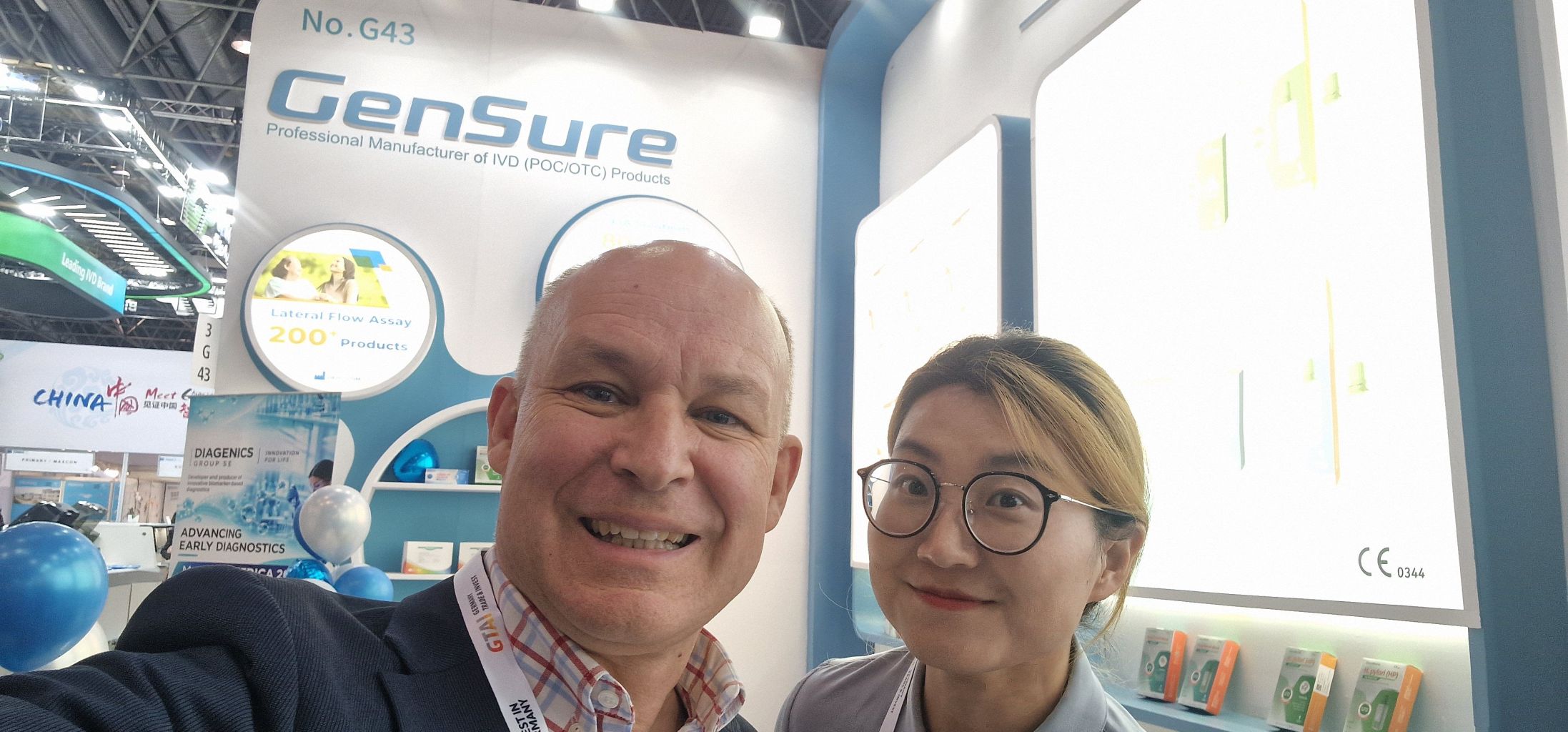
A New Era of Molecular Discovery
Exploring innovative sequencing platforms, molecular technologies, genomic research and the biotechnology suppliers shaping the future of laboratory science.
Genetic Sequencing Is Transforming Modern Biotechnology
Genetic sequencing has become one of the most influential technologies in contemporary biotechnology. By enabling researchers to determine the order of nucleotides within DNA and RNA molecules, sequencing technologies provide a deeper understanding of genetic variation, biological systems, molecular interactions and the complexity of life.
The rapid development of next-generation sequencing (NGS) has significantly expanded the possibilities of genomic investigation. What once required extensive time, specialized infrastructure and considerable analytical resources can increasingly be approached through integrated platforms designed to improve sequencing capacity, workflow efficiency and data generation.
Today's sequencing landscape encompasses targeted sequencing, whole-genome sequencing, whole-exome sequencing, metagenomics, single-cell analysis and spatial transcriptomics. Each approach provides researchers with different ways to explore biological information and address complex scientific questions.
The future of genomics is not defined only by the amount of information generated, but by how efficiently researchers can transform molecular data into meaningful scientific insights.
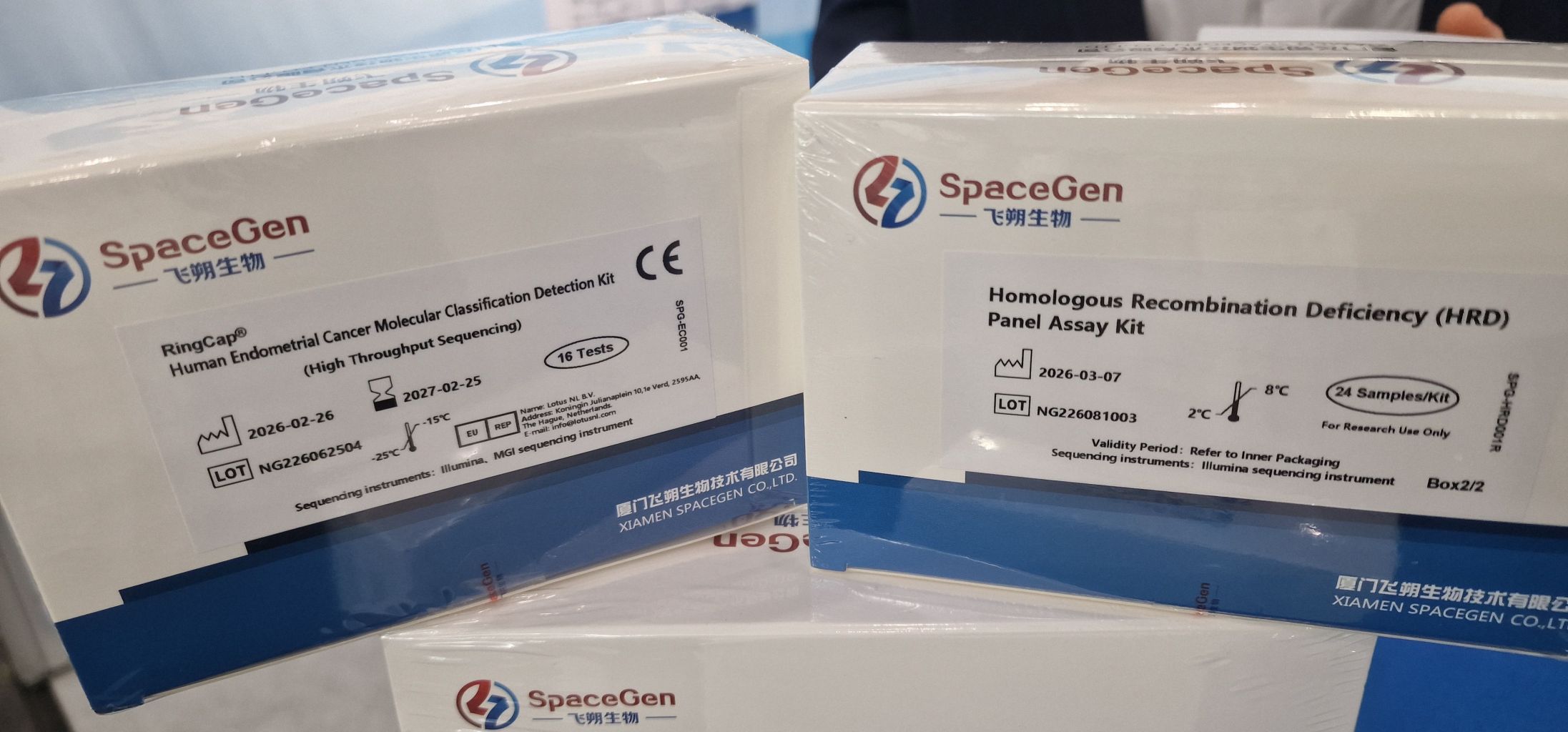
What Is Next-Generation Sequencing?
Next-generation sequencing refers to a group of advanced technologies capable of processing large numbers of DNA or RNA fragments in parallel. Instead of analyzing sequences individually, NGS systems simultaneously examine millions or billions of molecular fragments, enabling large-scale data generation.

Sequencing by Synthesis
Sequencing by synthesis, or SBS, identifies nucleotide sequences through successive biochemical reactions and imaging steps. Fluorescent signals are recorded during sequencing cycles and interpreted by specialized software to reconstruct sequence information.

Parallel Sequencing
Modern sequencing instruments can analyze multiple samples and millions of sequencing reads in a single run. This parallel processing supports diverse experimental designs, from targeted panels to large-scale genomic studies.

Integrated Laboratory Workflows
Advances in automation, optical systems, fluidics, chip design, reagent chemistry and computational analysis are helping laboratories develop more streamlined genomic workflows.
Salus Genetic Sequencing Technology
A portfolio of sequencing platforms designed to address different throughput requirements, research applications and laboratory workflows.
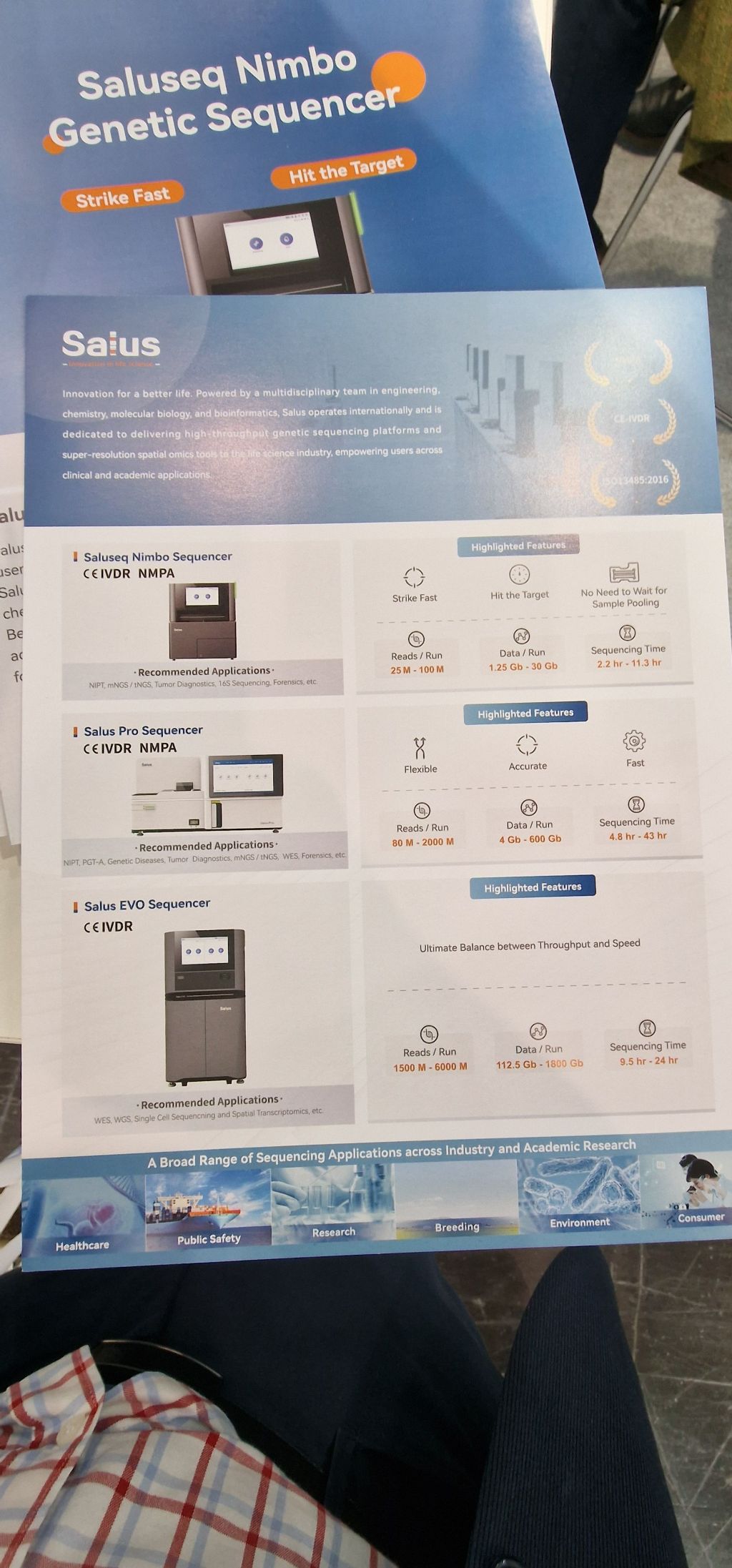
Saluseq Nimbo Sequencer
The Saluseq Nimbo is positioned for sequencing applications requiring a compact platform and flexible throughput. Its highlighted workflow concepts include rapid operation, targeted sequencing and reduced waiting associated with sample pooling workflows.
Applications described across the platform information include targeted NGS, NIPT, metagenomic sequencing, forensic applications and other genomic workflows.

Salus Pro Sequencer
The Salus Pro is a multipurpose benchtop NGS platform designed to combine sequencing flexibility with high-quality data generation. Its technology is based on sequencing-by-synthesis and incorporates optical systems, biochemical processes and chip technology.
Its multiple sequencing configurations support workflows such as whole-exome sequencing, large panels, shotgun metagenomics and other sequencing applications.

Salus EVO Sequencer
The Salus EVO platform is designed for laboratories requiring substantial sequencing capacity. The platform's reported specifications include high read capacity and data output intended for data-intensive genomic workflows.
Potential research applications include whole-exome sequencing, whole-genome sequencing, single-cell sequencing and spatial transcriptomics.
Where Can Advanced Sequencing Technologies Be Applied?
Sequencing technologies are increasingly integrated into research programs investigating complex biological systems, molecular characteristics and genetic variation.
Whole-Genome Sequencing
Comprehensive analysis of genetic information across an entire genome to investigate genetic variation and molecular characteristics.
Whole-Exome Sequencing
Focused investigation of protein-coding regions, supporting genetic research and studies of molecular variation.
Metagenomics
Exploration of microbial communities through sequencing of genetic material obtained from complex biological samples.
Targeted Sequencing
Analysis of selected genomic regions using customized panels or targeted amplification approaches.
Single-Cell Sequencing
Investigating cellular heterogeneity and molecular profiles at the level of individual cells.
Spatial Transcriptomics
Exploring gene-expression patterns while retaining spatial information about the organization of biological tissues.
Innovations Driving Sequencing Performance
The evolution of sequencing platforms depends on the coordinated development of multiple technological components rather than a single breakthrough.

From Optical Systems to Bioinformatics
Modern sequencing instruments integrate multiple engineering and molecular technologies that collectively influence data generation and workflow performance.
- Optical imaging: Advances in imaging systems can support signal detection and sequencing-cycle efficiency.
- Sequencing chips: Chip design and surface technologies influence reaction organization and processing capacity.
- Enzyme engineering: Molecular enzymes play a central role in sequencing chemistry and nucleotide incorporation.
- Fluorescent chemistry: Signal generation and detection technologies contribute to nucleotide identification.
- Automation: Fluidics, reagent handling and integrated instrument functions help support sequencing workflows.
- Bioinformatics: Computational pipelines convert raw sequencing signals into structured molecular data.
Macro & Micro-Test Med-Tech: Molecular Technology and Diagnostic Innovation
The biotechnology industry extends beyond sequencing instruments. Molecular testing technologies, reagents, automation and assay development all contribute to modern laboratory workflows.
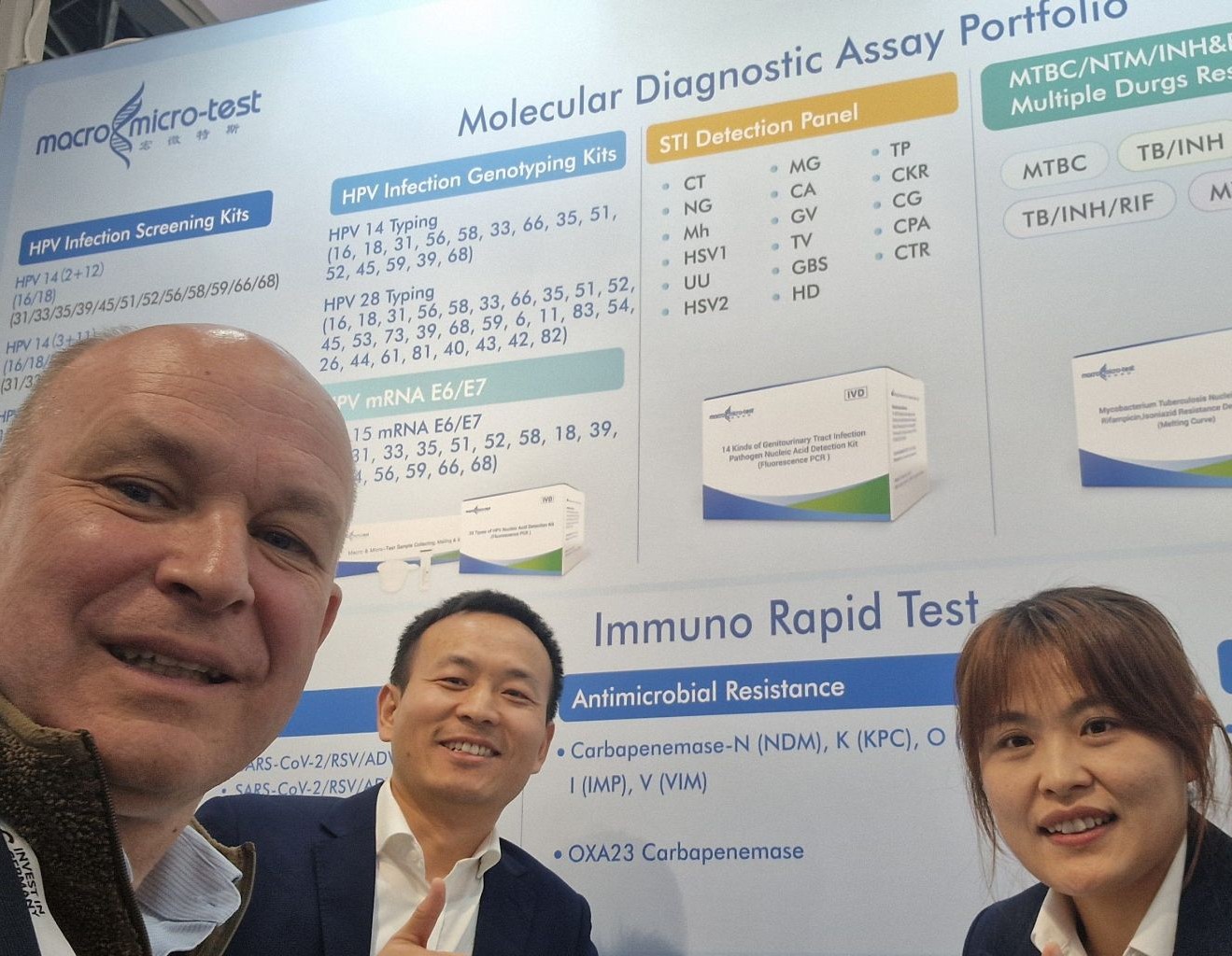
Macro & Micro-Test Med-Tech
Macro & Micro-Test Med-Tech develops and manufactures in-vitro diagnostic products, molecular detection technologies and laboratory solutions. Its portfolio spans several technology categories designed to support different testing and analytical workflows.
The company's product areas include fluorescence PCR, nucleic acid detection, isothermal amplification, immunological testing, rapid diagnostic formats and laboratory instruments. Its technology portfolio also includes genetic testing and molecular analysis solutions.
These technologies demonstrate how molecular detection, automation and nucleic acid analysis complement broader developments in genomic and sequencing research.
Explore Macro & Micro-Test →Kamiya Biomedical: Research Reagents for Molecular and Biological Investigation
Reliable laboratory research depends on a broad ecosystem of reagents, antibodies, assay kits and analytical materials.
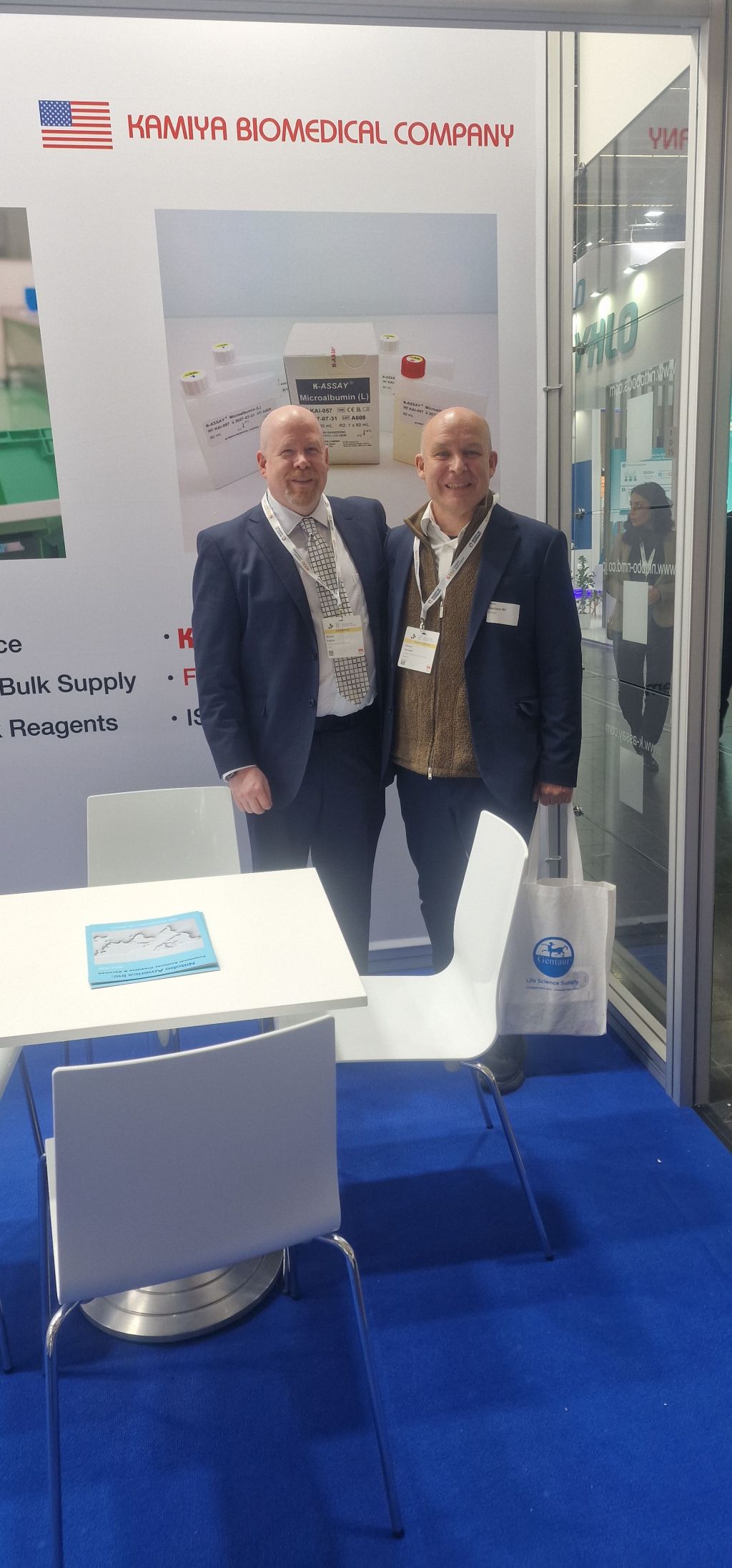
Kamiya Biomedical Company
Kamiya Biomedical provides research reagents and laboratory products supporting biological and biochemical investigations. Its portfolio includes research ELISA kits, antibodies, immunoassay reagents, animal and preclinical research assays, biochemicals and other specialized research products.
In the broader sequencing and molecular biology ecosystem, complementary research tools are important for investigating protein expression, biological pathways, molecular interactions and experimental findings.
These resources support researchers working across molecular biology, immunology, biochemistry and other life science fields.
Discover Kamiya Biomedical →
Gentaur at MEDICA 2027
Gentaur continues its commitment to the international life science and laboratory community through scientific conferences, professional exhibitions and collaborations with technology providers from around the world.
MEDICA provides an international meeting point for medical technology, diagnostics, laboratory innovation and scientific business. Gentaur's participation in MEDICA 2027 represents an opportunity to connect with manufacturers, suppliers, researchers, laboratory professionals and industry partners.
The Future of Genetic Sequencing and Molecular Research
The development of sequencing technologies continues to reshape research strategies in genomics, molecular biology and biotechnology.
Future advancements will likely continue to focus on increasing throughput, optimizing workflows, improving sequencing quality, integrating automation and expanding the accessibility of advanced genomic analysis.
The integration of sequencing platforms with bioinformatics, artificial intelligence, spatial biology and complementary molecular technologies may further expand the possibilities available to research laboratories.
- Higher sequencing capacity
- More efficient workflows
- Integrated laboratory automation
- Advanced genomic and transcriptomic analysis
- Single-cell and spatial molecular research
- More comprehensive data interpretation
Discover the Technologies and Research Products Shaping Tomorrow's Laboratories
From next-generation sequencing platforms and molecular diagnostic technologies to research antibodies, ELISA kits and biochemical reagents, modern laboratories depend on a diverse ecosystem of scientific technologies and suppliers.
The continued evolution of genomic analysis creates new opportunities for researchers, laboratory professionals, academic institutions and biotechnology organizations to explore molecular systems with increasingly sophisticated tools.
As Gentaur participates in international scientific events such as MEDICA 2027, its commitment remains focused on connecting laboratories with innovative research products, global suppliers and scientific resources.
Explore Life Science Products at Gentaur →